
Quick and Easy Suman Recipe: Filipino Delight

Suman is one of those cherished Filipino treats. It calls for memories of cozy afternoons, lively family gatherings, and heartwarming merienda moments with friends. Traditionally, suman is made with sticky rice wrapped in banana leaves and steamed to perfection. But what do you do when you’re pressed for time—or simply can’t find banana leaves?

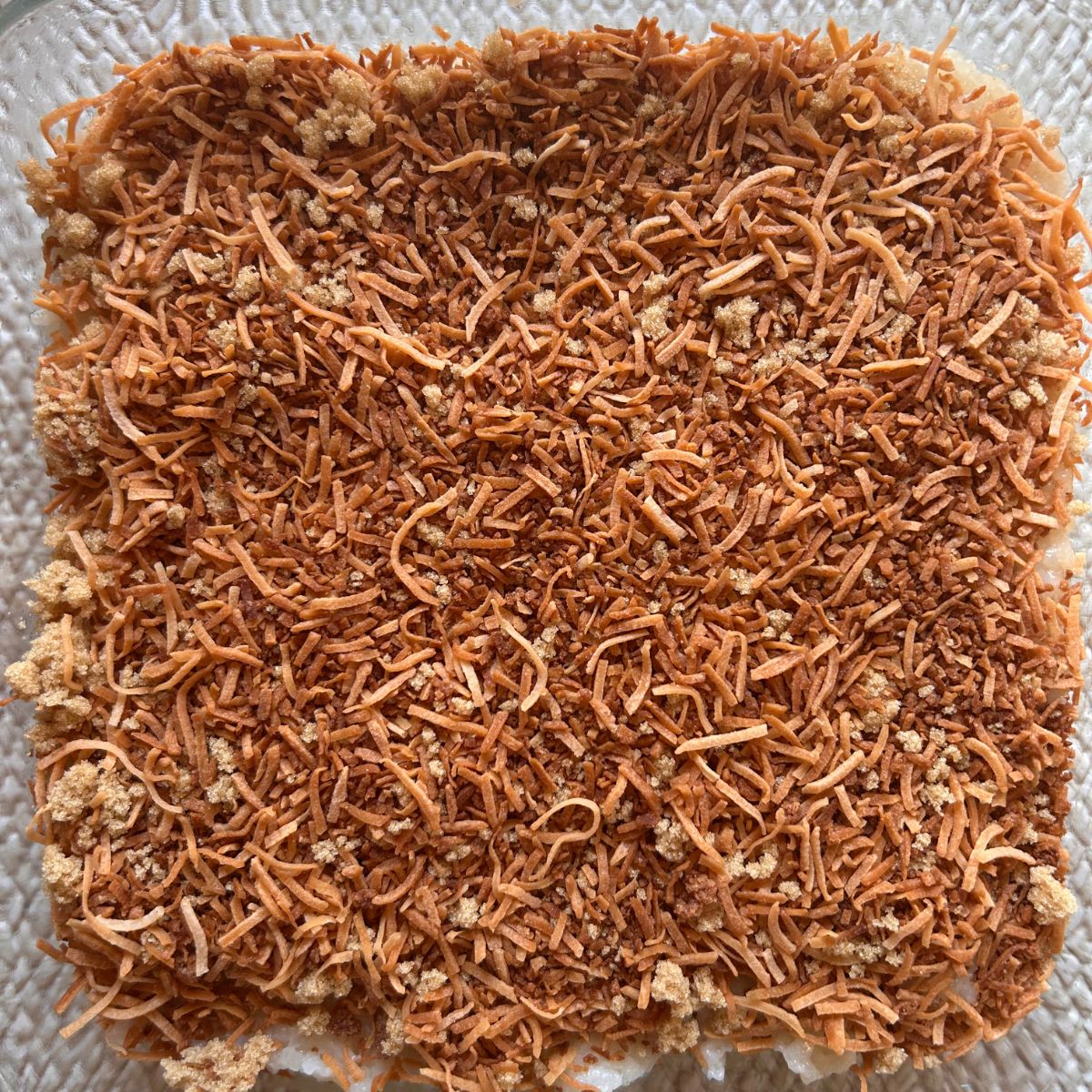
This recipe is your answer! By skipping the traditional wrapping, you still capture all the rich coconut flavor and comforting texture of suman. This shortcut version is creamy and satisfying. It is topped with a layer of sweet, toasted coconut (latik). This topping adds an irresistible crunch.

Ingredients

For the Rice:

  • 2 cups glutinous rice (malagkit)
  • 1 cup coconut milk
  • 1 cup water

For the Coconut Sauce:

  • 2 cups coconut milk
  • 1/4 cup sugar

For the Toasted Coconut Topping (Latik):

  • 1/2 cup dried shredded coconut
  • 2 tbsp sugar (adjust to taste)

How to Make It

1. Cook the Rice

Put 2 cups of glutinous rice in your rice cooker or cook in stove. Add 1 cup of coconut milk and 1 cup of water. Let the rice cook until it’s tender, sticky, and infused with coconut goodness.

2. Prepare the Coconut Sauce

In a separate pan, gently simmer 2 cups of coconut milk with 1/4 cup of sugar over medium heat. Stir occasionally until the sauce slightly thickens and the aroma fills your kitchen.

3. Blend the Rice with the Sauce

Once your rice is perfectly cooked, transfer it to the pan with the coconut sauce. Stir well to make sure every grain absorbs the sweet, creamy flavor.

4. Toast the Coconut (Latik)

In another pan, toast the dried shredded coconut over medium heat—no oil is needed. Keep an eye on it and stir often until it turns a gorgeous golden brown. Remove from heat and sprinkle in 2 tablespoons of sugar, stirring to combine.

5. Assemble Your Suman

Layer your creation in a square or rectangular dish. Start with a layer of the coconut-infused rice. Sprinkle a generous amount of toasted latik. Then add another layer of rice. Top it off with a final dusting of latik for that perfect crunch.

Serving Suggestion

Allow your suman to cool slightly before slicing. Whether served warm or chilled, this delightful treat pairs wonderfully with a cup of coffee or tea. For a nostalgic twist, you can even serve it on banana leaves!

Tips for Extra Flavor

  • Traditional Touch: If you’d like to lean into tradition, serve your suman wrapped in banana leaves. Even if you’ve prepared it without them, using banana leaves elevates its visual appeal.
  • Flavor Balance: A pinch of salt in the coconut sauce can offer a beautiful contrast to the sweetness.

Whether you’re looking for a quick dessert fix or want to share a taste of home with friends and family, this shortcut suman recipe offers big flavor. It provides a satisfying taste. It requires minimal fuss. Enjoy creating—and indulging in—this delightful Filipino snack that’s as heartwarming as it is delicious!
Ube Biko or Sinukmani: A Filipino Sticky Rice Treat with a Purple Twist

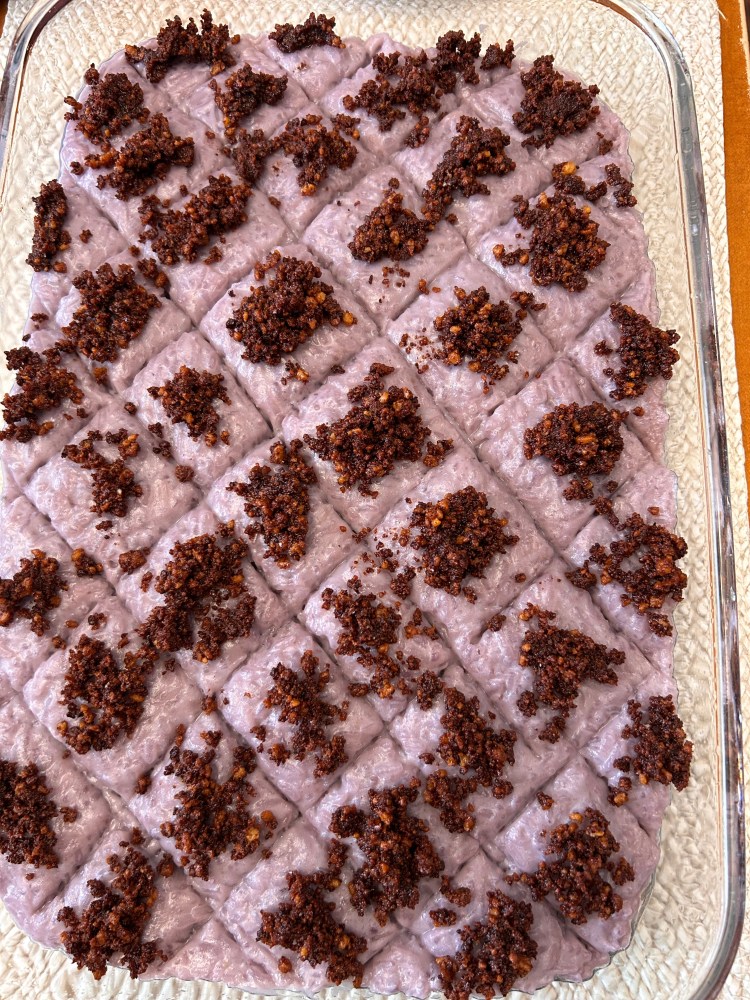
Ube Biko, Yummy Filipino sticky rice. It's purple and with toasted coconut toppings

If you love Filipino kakanin (rice cakes), then Ube Biko is a must-try! This twist on the classic biko (sweet sticky rice) has creamy, nutty flavors of ube (purple yam). It combines these flavors with the caramel-like richness of coconut milk and brown sugar. The result? A vibrant and irresistibly delicious dessert perfect for any occasion.

What is Biko?

Biko is a traditional Filipino sticky rice cake made with glutinous rice, coconut milk, and brown sugar. It’s often topped with latik (coconut curds) or a thick coconut caramel layer. Adding ube gives it a stunning purple color and a subtle, earthy sweetness that makes it even more special!

🌿 In Taal, Batangas, we call this Sinukmani—a beloved merienda or fiesta favorite.

A Taste of Home at Every Filipino Gathering

Here in Canada, you can almost always find a tray of biko on the table. This is true whenever there’s a Filipino gathering, Simbang Gabi celebration, or a Filipino food fair. It’s a crowd favorite, bringing a taste of home to every potluck and community event. There’s something about its chewy, coconut-infused goodness that reminds us of celebrations back in the Philippines. Adding ube to it makes it even more special—a nostalgic yet unique twist on a well-loved dessert.

Luckily, frozen ube is available in many Asian grocery stores, making it easier to recreate this delicious treat at home!

Ingredients You’ll Need:

🔹 2 cups glutinous rice (malagkit rice)

🔹 1 cup water

🔹 2 cups grated ube (purple yam; fresh or frozen, thawed if needed)

🔹 1 can (300ml) condensed milk

🔹 1/4 cup brown sugar

🔹 8 cups coconut milk (divided: 4 cups for latik, 3 cups + 1 cup for the rice mixture)

🔹 ½ teaspoon salt

Step-by-Step Instructions

I. Cook the Latik (Coconut Curd Topping)

  1. In a shallow pan over medium heat, pour 4 cups of coconut milk.
  2. Once warm, lower the heat and cook for about 2 hours, stirring occasionally. The coconut milk will curdle and separate from the oil.
  3. Strain the curds using a sieve lined with a coffee filter to remove excess oil.
  4. Set aside—this will be the topping for your Ube Biko!

II. Cook the Glutinous Rice

  1. Rinse the glutinous rice thoroughly.
  2. Cook it in 1 cup water and 1 cup coconut milk using a rice cooker or stovetop until fully cooked.
  3. Set aside.

III. Prepare the Ube Coconut Mixture

  1. In a large pan over medium heat, combine grated ube and condensed milk. Stir until well blended.
  2. Pour in 3 cups coconut milk, brown sugar, and salt, stirring until the sugar dissolves completely.

IV. Mix the Rice and Ube Mixture

  1. Once the ube coconut mixture thickens, lower the heat and add the cooked glutinous rice.
  2. Stir continuously, ensuring the rice is fully coated.
  3. Cook for 10-15 minutes until you get a thick, sticky consistency.

V. Transfer and Serve

  1. Lightly grease a tray or line it with banana leaves.
  2. Transfer the sticky rice mixture into the tray and smooth out the top with a spatula.
  3. Sprinkle latik on top for extra flavor and texture.

VI. Let it Set & Enjoy!

  1. Allow the ube biko to cool for 30 minutes before slicing.
  2. Serve and enjoy with Kapeng Barako or your favorite Filipino coffee! ☕💜

Tips for the Best Ube Biko

Use freshly grated ube or frozen ube (thawed) for convenience. Frozen ube is available in many Asian grocery stores.

Keep stirring to prevent the mixture from sticking to the pan.

Want a more indulgent version? Add a coconut caramel topping (mix coconut cream and sugar until thick, then spread it over the biko before serving).

Final Thoughts

Ube Biko is the perfect dessert for merienda, fiestas, and potlucks. Whether you’re enjoying it at a Filipino gathering in Canada or reminiscing about home, this sticky rice treat always brings people together. 💜

Have you ever made ube biko before? What’s your favorite way to enjoy Filipino kakanin? Let’s chat in the comments! 😊

Kare-Kare Recipe: How to Cook Authentic Filipino Peanut Stew

Kare-Kare is a classic Filipino stew celebrated for its rich peanut sauce, tender meat, and fresh vegetables. Have you ever wondered how to cook Kare-Kare at home? This easy guide will help you prepare an authentic dish. It is perfect for family meals, special occasions, or simply exploring Filipino cuisine. This dish is always a hit whenever I serve it at Filipino gatherings — comforting, flavorful, and unforgettable.


What You’ll Find in This Blog Post:

  • What is Kare-Kare?
  • Kare-Kare Ingredients
  • Step-by-step Kare-Kare Recipe
  • Tips for Cooking the Best Kare-Kare
  • Popular Variations

Let’s get started!


What is Kare-Kare?

Kare-Kare is a beloved Filipino peanut stew. It is traditionally made with oxtail, tripe, or beef shank. The stew is served with vegetables like eggplant, string beans, and bok choy. Its signature is the thick, savory peanut sauce, made from ground peanuts or peanut butter.

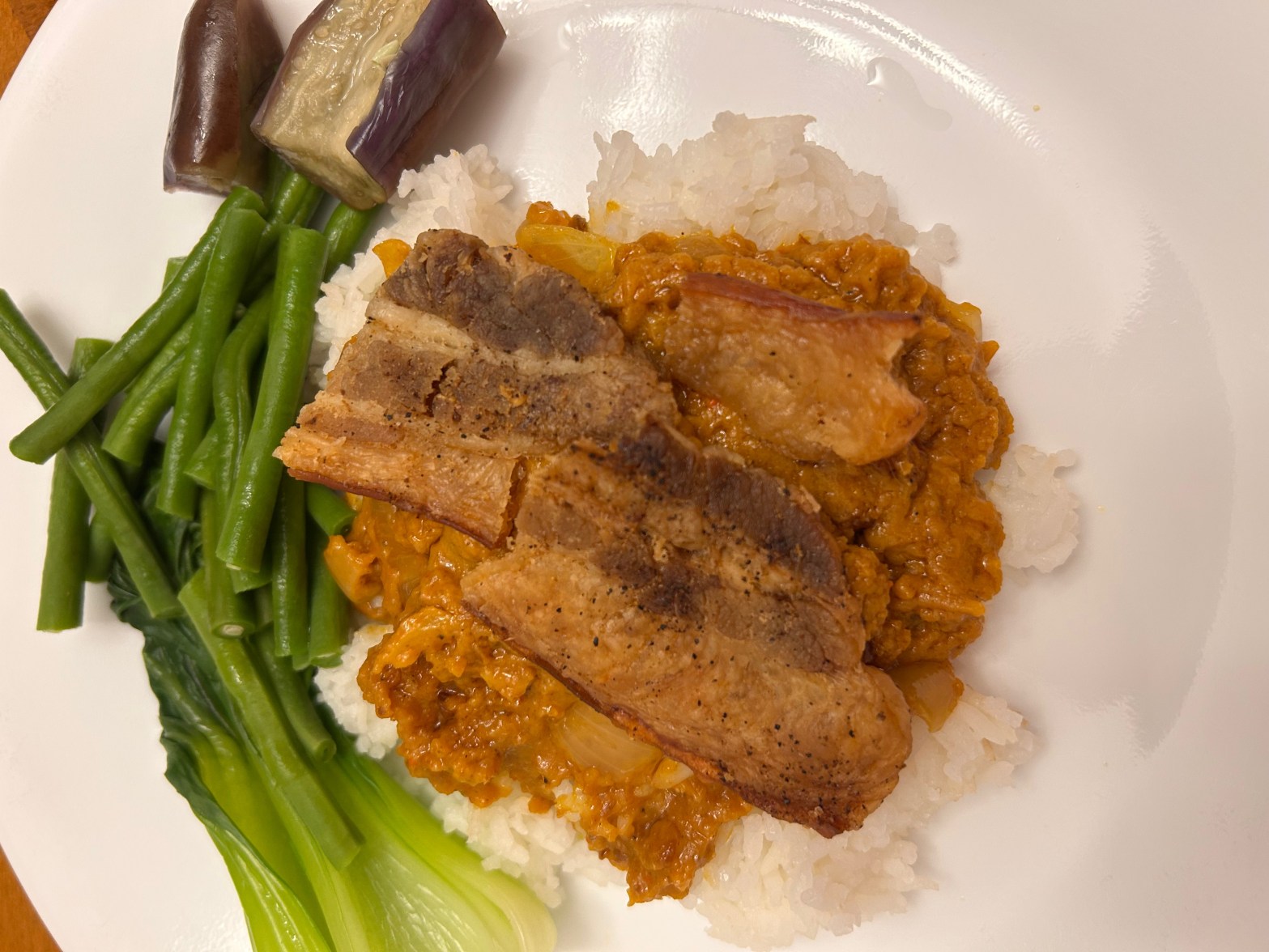
It’s always served with bagoong alamang (shrimp paste), adding a salty contrast to the rich sauce. For convenience, I often use beef sirloin tip roast. Pork belly also provides amazing flavor and texture.


Kare-Kare Ingredients

For the Stew:

  • 2 lbs oxtail (or substitute with beef shank, pork hocks, beef sirloin, or pork belly – see cooking instructions below)
  • 1 cup peanut butter (or 1 cup ground roasted peanuts)
  • 1 tbsp annatto (achuete) seeds or 1 tbsp ground annatto powder (for color)
  • 3 cups water or beef broth [ 1 cup + 2 cups]
  • 1 onion, chopped
  • 4 cloves garlic, minced
  • 1 tbsp ground rice (optional, to thicken the sauce)
  • 2 tbsp bagoong alamang
  • Salt and pepper to taste

Vegetables:

  • 1 medium eggplant, sliced
  • 1 bunch string beans, cut into 2-inch pieces
  • 1 bunch bok choy (or pechay)
  • 1 banana heart (optional, for a traditional touch)

Condiment:

  • Bagoong alamang (shrimp paste) – essential for serving

How to Cook Kare-Kare: Step-by-Step Instructions

1. Prepare the Meat

Option 1: Oxtail, Beef Shank, Pork Hocks, or Sirloin Tip Roast

  • Boil meat in water until tender (around 2–3 hours), or use a pressure cooker for faster results.  Skim off impurities while boiling for a clear broth. OR
  • In an Instant Pot: Sauté garlic and onions, brown the meat, then switch to ‘Meat/Stew’ mode for 40 minutes. No need to add water — the meat will release its own juices.

Option 2: Pork Belly (Make Ahead for Crispy Texture)

  1. Boil pork belly in water until tender (about 45 minutes). Let it cool completely.
  2. Refrigerate overnight to firm up the meat and fat.
  3. The next day, bake in the oven at 350°F (175°C) for 20–30 minutes until the skin crisps up.
  4. Once cooked, slice the pork belly into fan-shaped pieces. This ensures even portions and a beautiful presentation. Add these slices on top of the stew in Step 4.

2. Make Annatto (Achuete) Oil

  • Soak annatto seeds in warm oil for 5 minutes (or use annatto powder).
  • Strain and set aside the vibrant red-orange oil.

3. Sauté Aromatics

  • In a large pot, sauté garlic and onions in annatto oil until fragrant.

4. Add Peanut Sauce

  • Add peanut butter (or ground peanuts) and 1 cup water, mixing well.
  • Stir in ground rice (if using) to thicken the sauce, then add 2 cups water
  • Simmer until the sauce thickens; season with salt and pepper.
  • Add the tender meat and mix in.  
  • Stir in bagoong alamang for extra depth of flavor.
  • Add the baked pork belly on top, if using.

5. Add Vegetables

  • Blanch eggplant, string beans, and bok choy separately.
  • Add them to the stew just before serving or serve on the side.

6. Serve Kare-Kare

  • Serve hot with steamed rice and a side of bagoong alamang.

Kare-Kare Cooking Tips

  • Tender meat is key – Use a slow cooker or pressure cooker for best texture and time savings.
  • Crispy pork belly tip – Refrigerate before baking for best results.
  • Thick, smooth sauce – Adjust with extra peanut butter or simmer longer.
  • Balance flavors – Don’t skip the bagoong; it enhances the richness.

Kare-Kare Variations

  • Seafood Kare-Kare – Use shrimp, mussels, and squid.
  • Vegetarian Kare-Kare – Skip the meat; use tofu and more veggies.
  • Instant Pot Kare-Kare – Perfect for quick prep!

Enjoy the Flavors of Filipino Kare-Kare

Cooking Kare-Kare at home is a delicious and rewarding way to bring the flavors of the Philippines to your table. Whether you’re Filipino or exploring international cuisine, this recipe is a fantastic introduction to Filipino cooking.

If you loved this Kare-Kare, share your experience in the comments. Tag us on social media — I’d love to see your creations!


Leave a comment

The Story of Adobo: A Filipino Classic with a Golden Twist

Welcome to my website! If you love discovering new flavors and learning about different cultures through food, you’re in the right place. As someone who was born and raised in the Philippines, I’ve always been passionate about sharing the rich culinary heritage of my homeland. And what better way to start than with a dish that holds a special place in every Filipino kitchen—Adobo!

Adobo is widely regarded as the national dish of the Philippines, loved for its perfect balance of savory, tangy, and slightly sweet flavors. While the classic version is made with soy sauce and vinegar, different regions have their own unique takes on this beloved dish. One of these variations is Adobo sa Dilaw—a golden-hued, turmeric-infused version from my hometown, Taal, Batangas.

A Taste of Taal, Batangas

Taal is a town rich in history and tradition, known for its ancestral houses, the iconic Minor Basilica of St. Martin of Tours, handcrafted Balisong (fan knives), and the elegant Barong Tagalog. But beyond its heritage sites, Taal is also home to delicious local dishes, and Adobo sa Dilaw is one of them.

Unlike traditional adobo, which uses soy sauce for its deep, dark color, Adobo sa Dilaw is made with turmeric, locally known as luyang dilaw. This ingredient not only gives the dish its striking golden color but also adds a warm, earthy flavor with a hint of bitterness. Growing up, my family always had fresh turmeric growing in our backyard or readily available from neighbors. It was a staple in our Sunday meals, best enjoyed with a generous serving of steamed white rice.

What Makes Adobo Sa Dilaw Special?

Adobo Sa Dilaw offers a delicious twist on the classic adobo while staying true to the essence of Filipino home cooking. Here’s what sets it apart:

  • Turmeric Instead of Soy Sauce – Instead of the usual salty and umami-rich soy sauce, turmeric gives the dish a more subtle, earthy taste.
  • Health Benefits – Turmeric is known for its anti-inflammatory and antioxidant properties, making this dish not only delicious but also nutritious.
  • Bright, Inviting Color – The vibrant golden hue makes it visually appealing and a standout on the dinner table.
  • Simple Yet Flavorful – Like traditional adobo, Adobo sa Dilaw is simmered in vinegar and garlic, creating a beautifully balanced dish with just a few ingredients.

In Canada, where I now live, fresh turmeric can still be found in local grocery stores, and powdered turmeric works just as well if fresh isn’t available.

Recipe: How to Cook Authentic Adobo sa Dilaw

Now that you know the story behind Adobo Sa Dilaw, it’s time to bring this dish to your kitchen! Here’s a simple and authentic recipe for you to try.

Ingredients:

  • 1 kg (2.2 lbs) chicken, or a mix of chicken and pork, cut into serving pieces
  • 2 tablespoons cooking oil
  • 1 onion, sliced
  • 8 cloves garlic, minced
  • 2 tablespoons fresh turmeric, peeled and sliced (or 1 teaspoon turmeric powder)
  • 3 bay leaves
  • 1 teaspoon salt (or to taste)
  • ½ teaspoon black pepper
  • 1 tbsp of fish sauce
  • 2 potatoes, cubed
  • 1/4 and 1/2 cup of water ( add more if needed)
  • 2 tbsp white vinegar ( originally 3/4 cup; adjusted to my family’s taste, but you can adjust as desired)
  • 1 tsp of sugar

Instructions:

  1. Sauté the aromatics – In a pot over medium heat, heat the oil and sauté the onion, garlic, and fresh turmeric until fragrant.
  2. Add the chicken – Add the chicken pieces, salt, black pepper, bay leaves, 1/4 cup of water and fish sauce, and cook until lightly browned. Add potatoes.
  3. Simmer until tender – Add 1/2 cup of water or more if needed. Cover and simmer over low heat for about 30-40 minutes or until the chicken is fully cooked and tender.
  4. Pour in the vinegar – Add the vinegar. Do not stir until it starts to boil to let the vinegar cook properly. Add the sugar.
  5. Serve and enjoy – Serve hot with steamed white rice.

Bringing a Taste of Home to Your Table

Adobo sa Dilaw is more than just a dish—it’s a reflection of my roots and a testament to the diverse flavors of Filipino cuisine. Cooking this recipe connects me to my childhood and the comforting meals shared with family.

I hope you give this golden version of adobo a try! If you do, I’d love to hear how it turns out. Share your experience in the comments below or tag me on social media with your own take on Adobo sa Dilaw. Let’s celebrate Filipino flavors together—one dish at a time!